FEATURED
TUTORIAL7 MIN READ
Local Claude Code on Your Mac. Setup Working Local Agent!
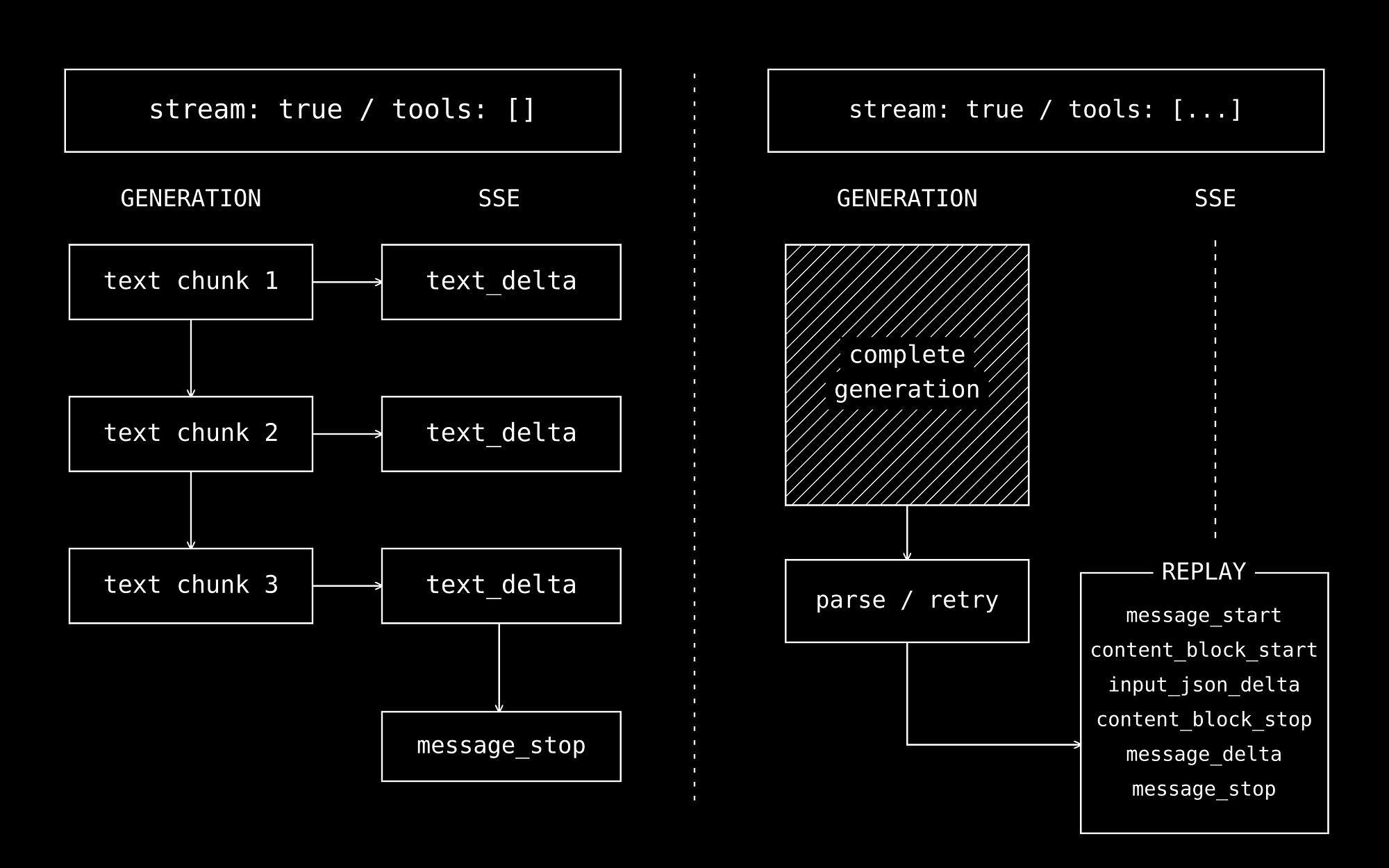
Your local model can write a correct function but still fail to create a file.
SEP 11, 2026•TUTORIAL
Read FeatureBrowse Archive
Your local model can write a correct function but still fail to create a file.
If you are building agents that touch private data, you have hit the same wall everyone hits: the frontier model lives in the cloud, the sensitive files live on the laptop, and...
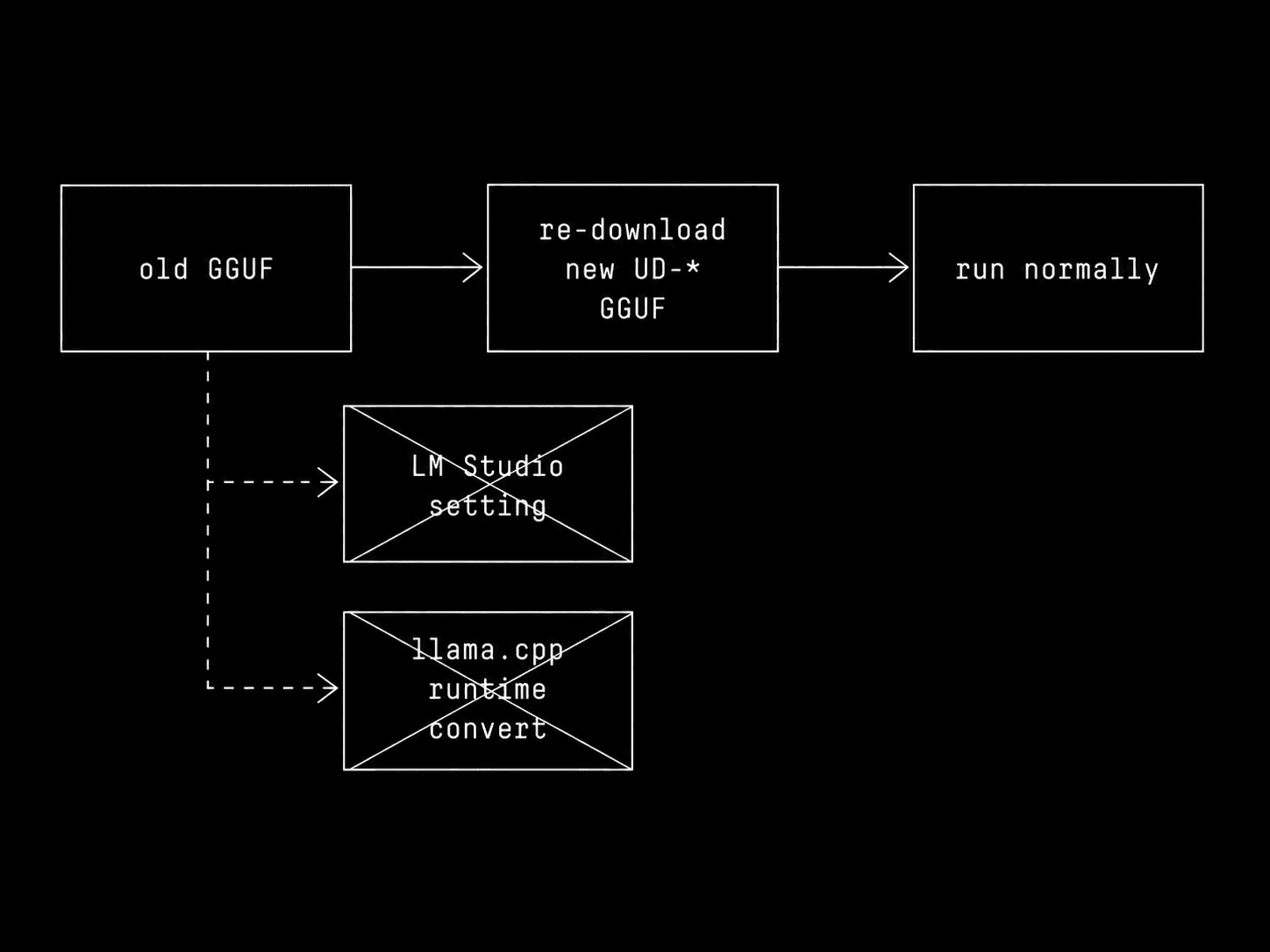
We want to briefly share a very critical update for Local LLM inference.
Until very recently, you only had two compromises.
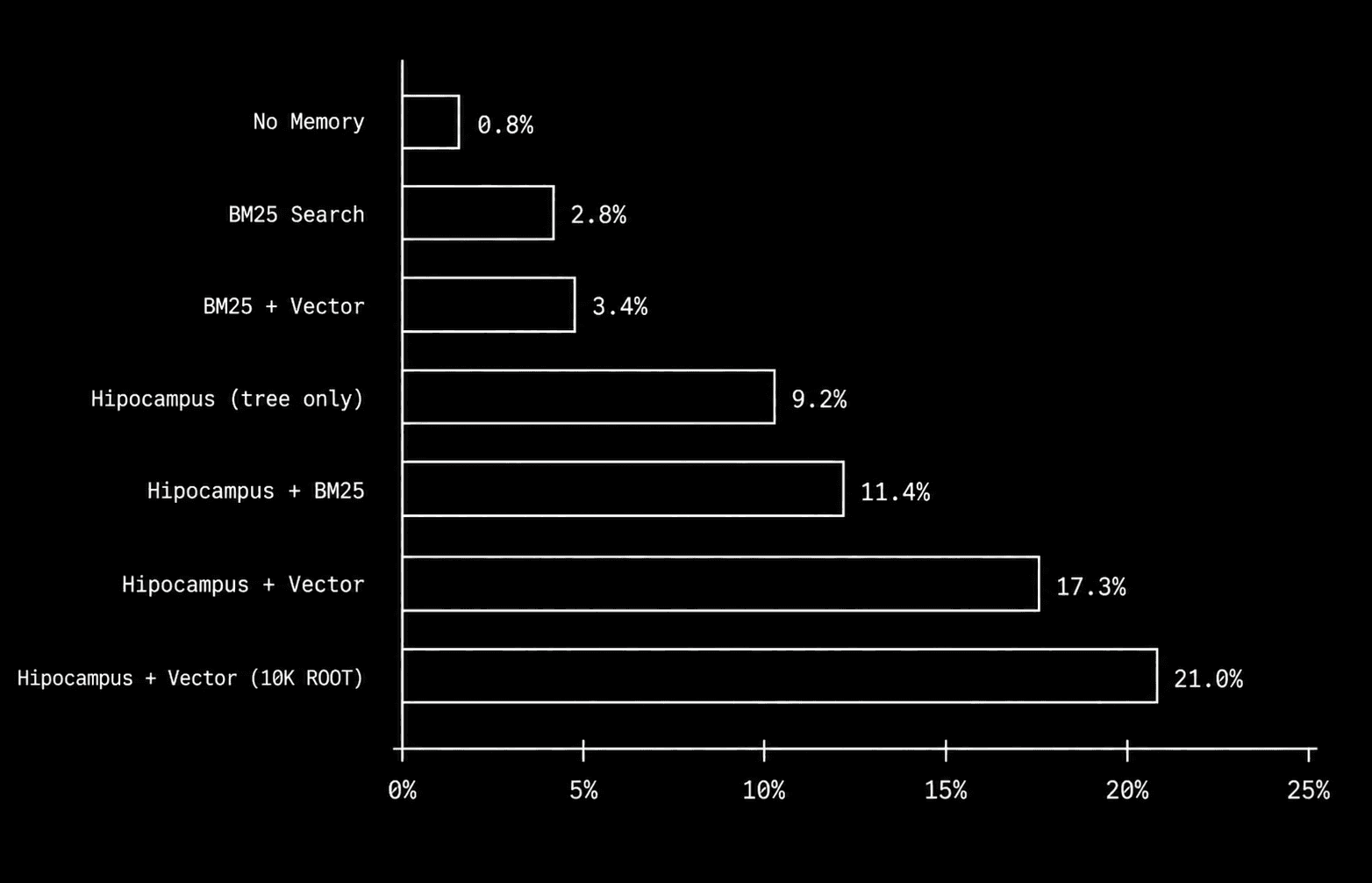
Agent memory systems start with the same assumption:
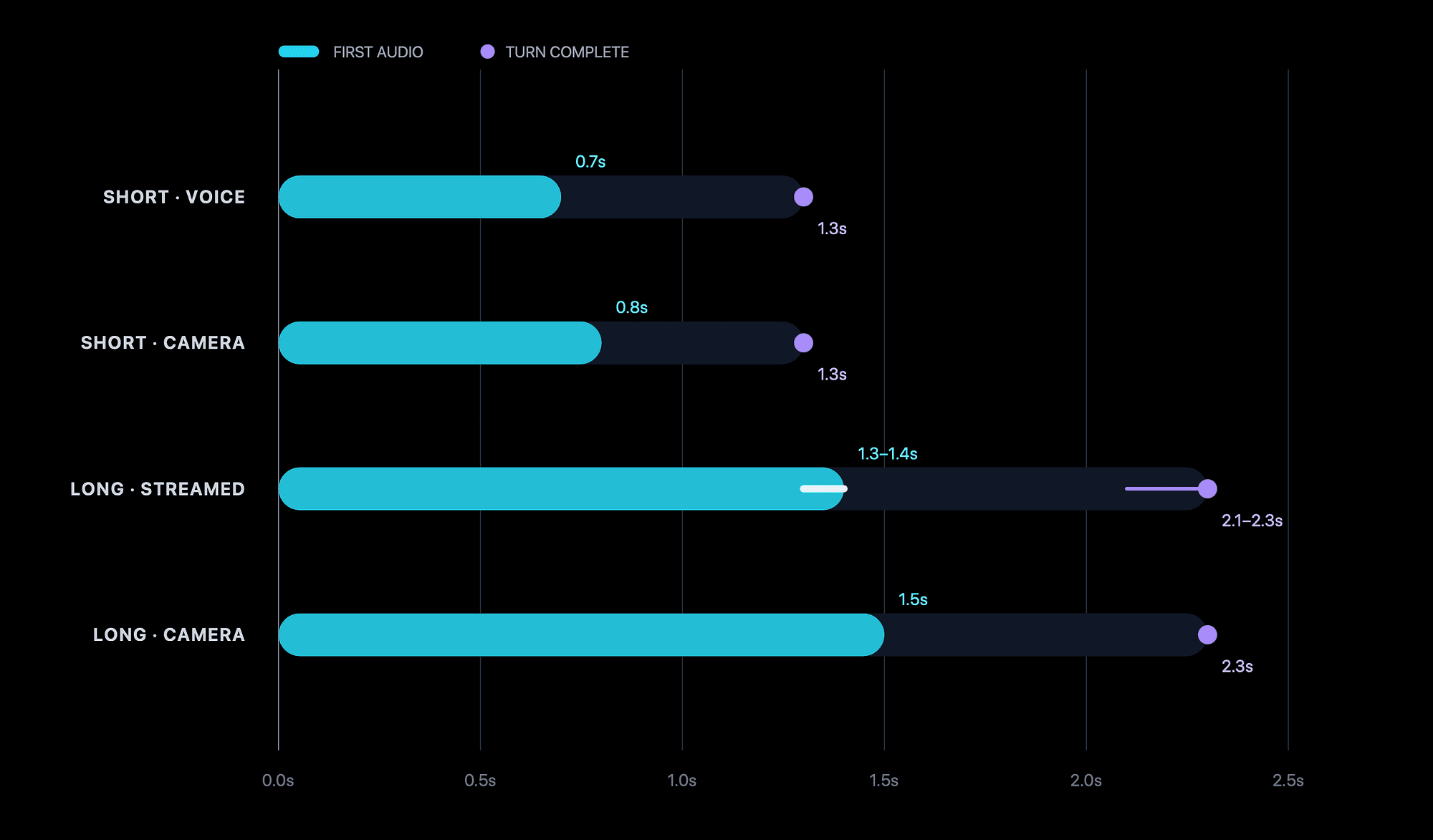
OpenAI’s GPT-Live changed the bar for voice AI in July 2026.
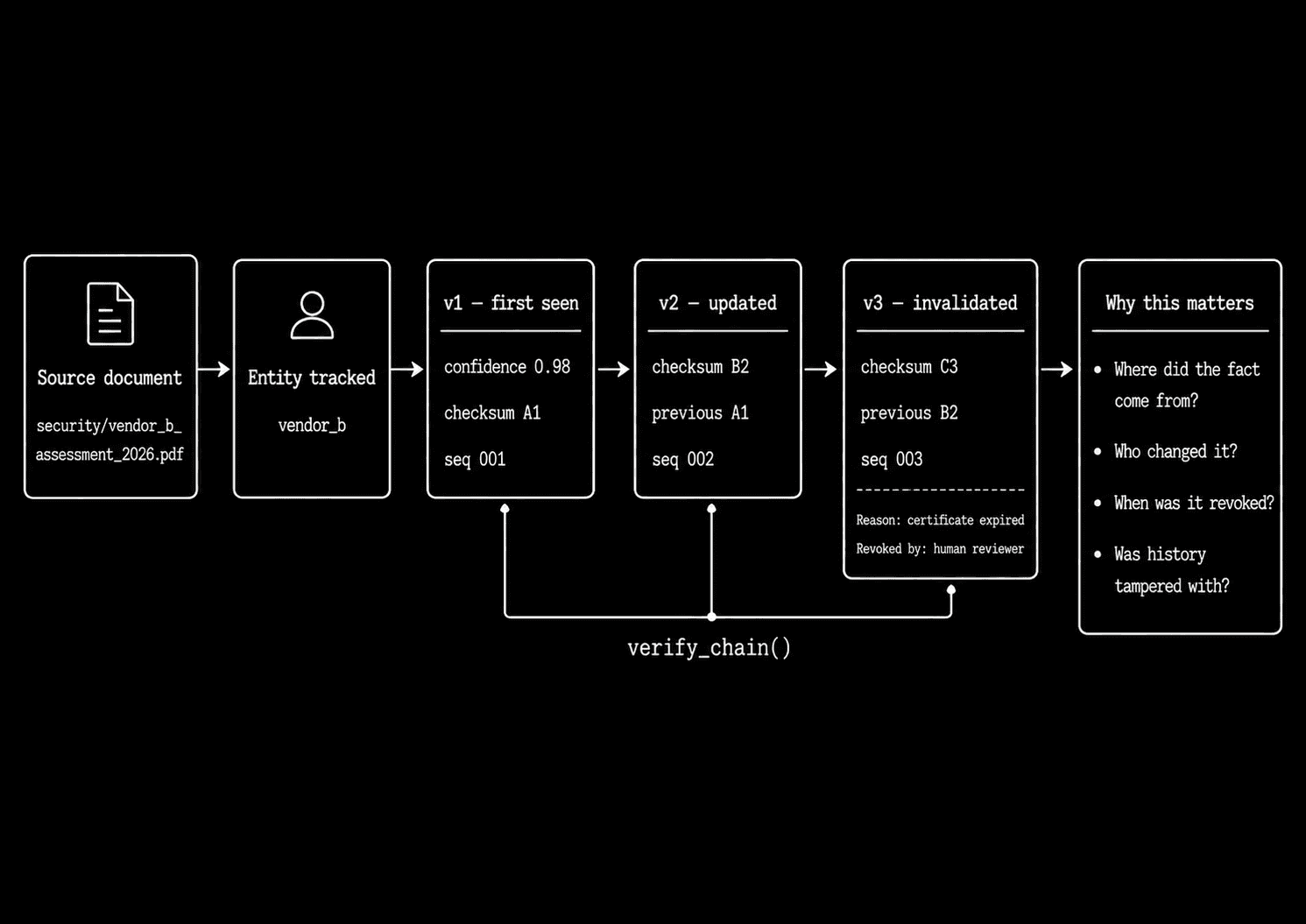
Most agent stacks can tell you what happened.
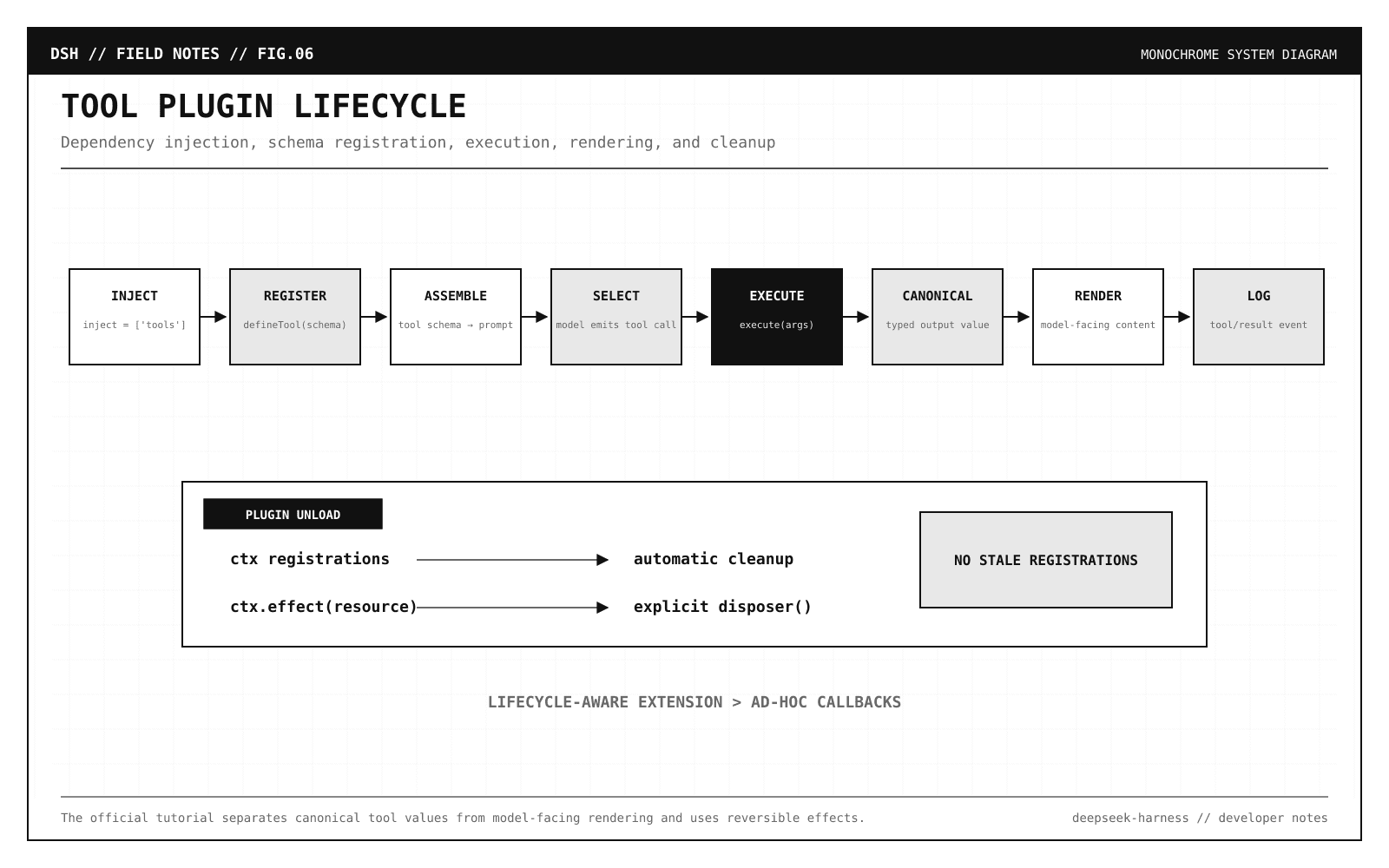
DeepSeek Harness crossed 112,000 GitHub stars and 10,000 forks.
We have spent the last two years talking about model scale, context windows, MoE routing, inference cost, and whether open models can catch closed frontier systems.
Comprehensive technical reference for deploying, optimizing, and productionizing local LLMs

BOOK
Production blueprint for architecting, shipping, and operating agentic SaaS

BOOK
Turn coding agents into a governed production line: intent as versioned specs, an assembly line, quality control, coherence, provenance, and accountability - in current Claude Code and Codex syntax

BOOK
Operating model and architecture playbook for enterprise-grade agent systems
OPERATOR TOOL
A compact checklist to audit agent infrastructure before exposing anything publicly.
Open ChecklistOPERATOR TOOL
Blueprint for orchestration, approvals, auditability, and rollback-ready operations.
Read PrimerOPERATOR TOOL
One-page view of books, offerings, entitlements, sections, and artifact access flow.
View SystemMEMBERSHIP
A live operating library for serious builders: premium books, implementation repos, artifacts, and updates that move with the market instead of expiring on launch day.
€0 today · then €14.99/mo · cancel anytime
Prefer to own it outright? The Complete Library — all 6 books, €49.99 once.
Your local model can write a correct function but still fail to create a file.
If you are building agents that touch private data, you have hit the same wall everyone hits: the frontier model lives in the cloud, the sensitive files live on the laptop, and...
We want to briefly share a very critical update for Local LLM inference.
Until very recently, you only had two compromises.
Agent memory systems start with the same assumption:
OpenAI’s GPT-Live changed the bar for voice AI in July 2026.
Most agent stacks can tell you what happened.
DeepSeek Harness crossed 112,000 GitHub stars and 10,000 forks.
We have spent the last two years talking about model scale, context windows, MoE routing, inference cost, and whether open models can catch closed frontier systems.
We have spent two years making models multimodal.
Kimi K3’s checkpoint is roughly 1.56 TB on disk: 93 layers, 896 routed experts per MoE layer, about 104B activated parameters per token, and a native context window near 1M tokens.
Most teams optimizing Mixture-of-Experts training still think in components but Cursor took a different route.
Kimi K3’s hybrid linear attention can survive frontier-scale training and deliver strong long-horizon behavior while materially reducing the cache growth that makes persistent a...
In this article, we will take an evaluation model designed for prompt -> response systems and stretch it over software that reasons, calls tools, mutates state, writes memory, r...
Qwen3.8–27B will run locally on systems with roughly 17GB of VRAM.
Once an agentic product moves beyond a hosted API demo, you hit a bottleneck that dominates your agentic loop: the local neural components around the agent are often doing too m...
744-billion-parameter model should not run on a 25 GB consumer machine.
Your agent stack is becoming a process-management problem.
A lot of multi-agent setups still look like this:
Most developers are using Fable 5 completely wrong.
Understanding a codebase for agents is a search problem pretending to be reasoning.
Making a model better at reasoning can make it worse at one of the most important production behaviors for agents: knowing when not to call a tool.
Almost every performance problem in deep learning is a memory problem because GPU can do math far faster than it can fetch the numbers to do math on.
When developers say “model X is dumb,” they often mean:
The mental models behind modern GPUs — why they are throughput machines, how SIMT and warps execute, what lives inside a streaming multiprocessor, and how occupancy and numeric precision decide performance
An agent loop is a feedback controller, and the sensor, not the orchestration, decides whether it's cheap or ruinous
A developer-first guide to which consumer hardware can run parts of the agent loop locally with good performance in 2026
How context compressors actually work, where they save tokens, and where they silently break your agent's answers
Ten AutoResearch-style agents and frameworks that improve systems against measurable goals using a propose, evaluate, keep-or-revert loop
How Google Research's ReasoningBank turns successful and failed agent trajectories into reusable reasoning strategies, and what to steal for your own agent stack
How Late, a deterministic Go-based coding-agent orchestrator, makes small local LLMs viable for serious agentic software development
48GB VRAM is the tier where local agentic AI starts to look like real software infrastructure, with room for quality quants, useful context, and actual tool use
A workload-first guide to picking local AI hardware for agentic coding, mapping prefill, decode, TTFT, and concurrency to the right machine
A layer-by-layer stack for agentic products, from frameworks and model routing to memory, ingestion, tools, durable execution, and observability
Qwen3.7 Max Preview sits in the frontier tier on Artificial Analysis and Arena, and its agentic profile makes it a serious candidate for production developer workflows
OpenWolf adds a project index, persistent memory, and hook-based file controls so Claude Code stops re-reading the same files and wasting tokens.
A practical walkthrough for running Gemma 4 multimodal LoRA fine-tuning on Apple Silicon without renting datacenter GPUs.
Agent browser runtimes need deterministic state, semantic actions, and warm sessions, not just human testing abstractions with an LLM taped on top.
The most useful mental model for serious agentic systems is event-driven distributed architecture with clear async boundaries, retries, and routing semantics.
KubeClaw frames OpenClaw the right way: not as a prompt loop, but as an operational system with secure defaults, observability, and predictable upgrades.
TurboQuant changes the economics of local agents by collapsing KV-cache costs enough to make multi-agent systems practical on a single workstation.
Qwen 3.5's MoE architecture activates only 3B of 35B parameters per token -- running at 100+ tok/s on a single consumer GPU while outperforming its 235B predecessor.
An in-process vector database built on Alibaba's Proxima engine that doubles the previous VectorDBBench leader at 8,000+ QPS.
GSD (“Get Shit Done”) aims to solve context rot, the quality degradation as the model’s context window fills.
A practical guide to fixing OpenClaw memory failures and choosing the right memory substrate as your agent system scales.
Most product bugs show up when a simple feature lands on a box with a 64MB RAM budget and a watchdog timer.
Always-on agents have unbounded context growth problem.
Whether you think it’s hype or not, people are already trying to run fully autonomous companies on OpenClaw.
Before any Claude fans boo me: I’m not claiming “M2.5 is Opus” but the pricing + throughput + agent-oriented training forces a new engineering question:
One of the most interesting parts of the GLM-5 launch is that you can run an open-weights model inside a proprietary agentic coding workflow and get something close to frontier-...
Imagine synthesizing human-like research trajectories exceeding 100 turns entirely offline, no reliance on search or scrape APIs, no rate limits, and crucially, no nondeterminism.
We risk resurrecting the original sin of computing, a flaw that has enabled remote code execution exploits for decades.
How well fine-tuning performs still depends on three factors: model size, hardware capability, and the framework you choose.
If you’ve built an LLM agent that does anything non-trivial, you’ve hit this moment:
Last month I opened my credit‑card statement and almost threw up. Anthropic charged me $4,660.87, just for Claude.
Just after 9:45 a.m. Pacific on 5 February 2026, Anthropic unveiled Claude Opus 4.6, and 20 minutes later, OpenAI counter‑punched with GPT‑5.3‑Codex.
If you want to research, build, and launch your products fast, this is the solo founder stack for AI-native apps, zero-to-launch weekends, and practically infinite leverage.
Benchmarks are the LinkedIn of LLMs. Every model looks unstoppable.
If you’re building an AI product as a solo founder or a small team, you don’t need one “best” model.
GLM-4.7-Flash is one of those rare open-weights releases that changes what “local-first” can realistically mean for coding + agentic workflows.


