GLM-5 joins Opus and Codex: Long-horizon Agentic Tasks
Agent Native•February 11, 2026
One of the most interesting parts of the GLM-5 launch is that you can run an open-weights model inside a proprietary agentic coding workflow and get something close to frontier-grade day-to-day usefulness without paying frontier-grade subscription prices.
GLM-5 works inside Claude Code, with comparable performance at fraction of the cost:
Claude Opus 4.5: $5/$25
GPT 5.2 Codex: $1.75/$14
GLM-5: $0.80/$2.56
GLM-5 is 6x cheaper than Opus on input and 10x cheaper on output.
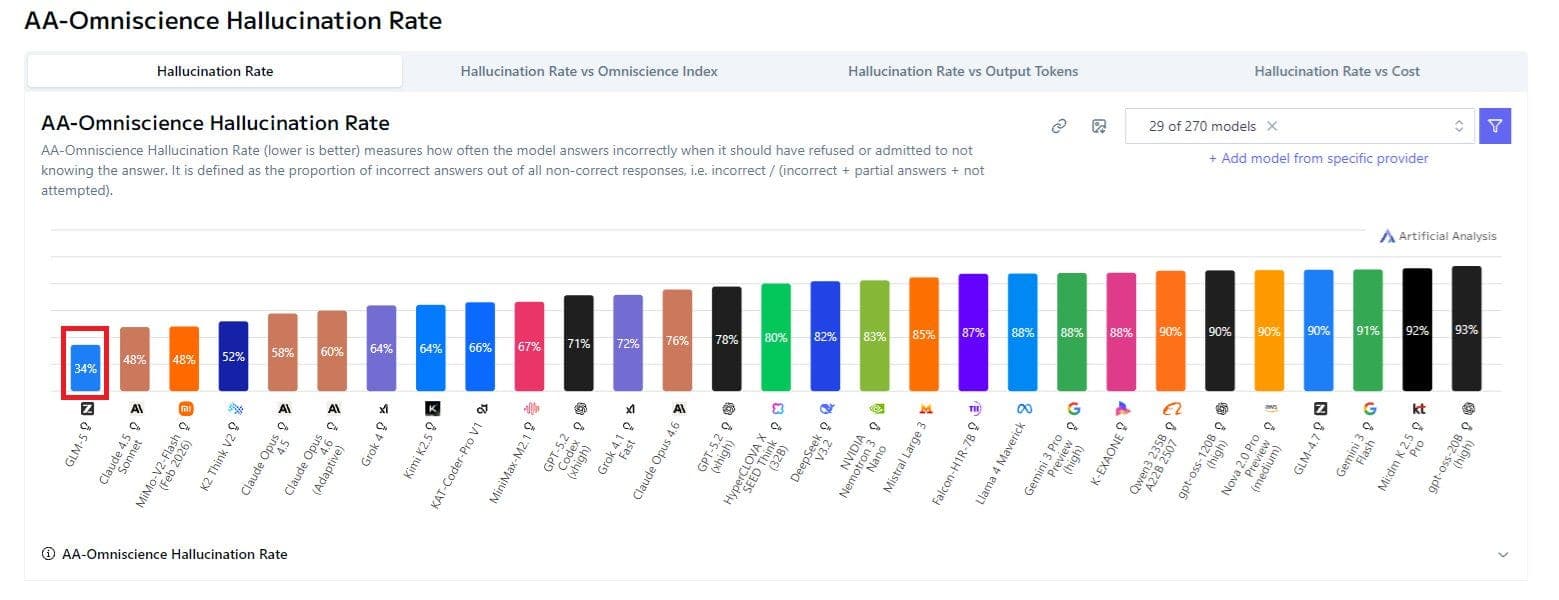
It also has the lowest hallucination rate among LLMs tested by ArtificialAnalysis.
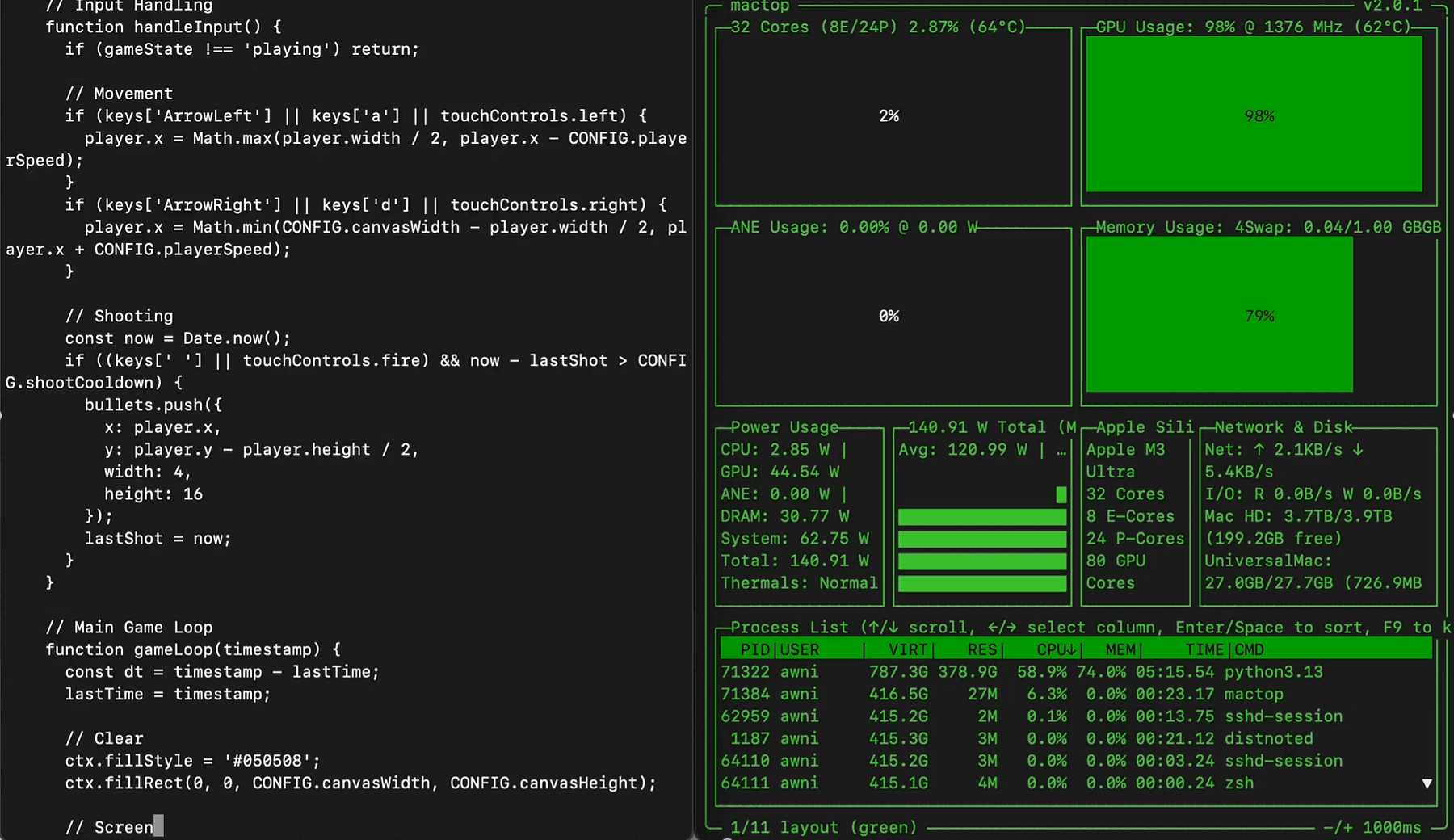
It has already been quantized to MLX, you can run it with mlx-lm on a single 512GB M3 Ultra in Q4.
It generated a highly functional space invaders game using 7.1k tokens at 15.4 tok/s and 419GB memory.
As Awni Hannun reported on X
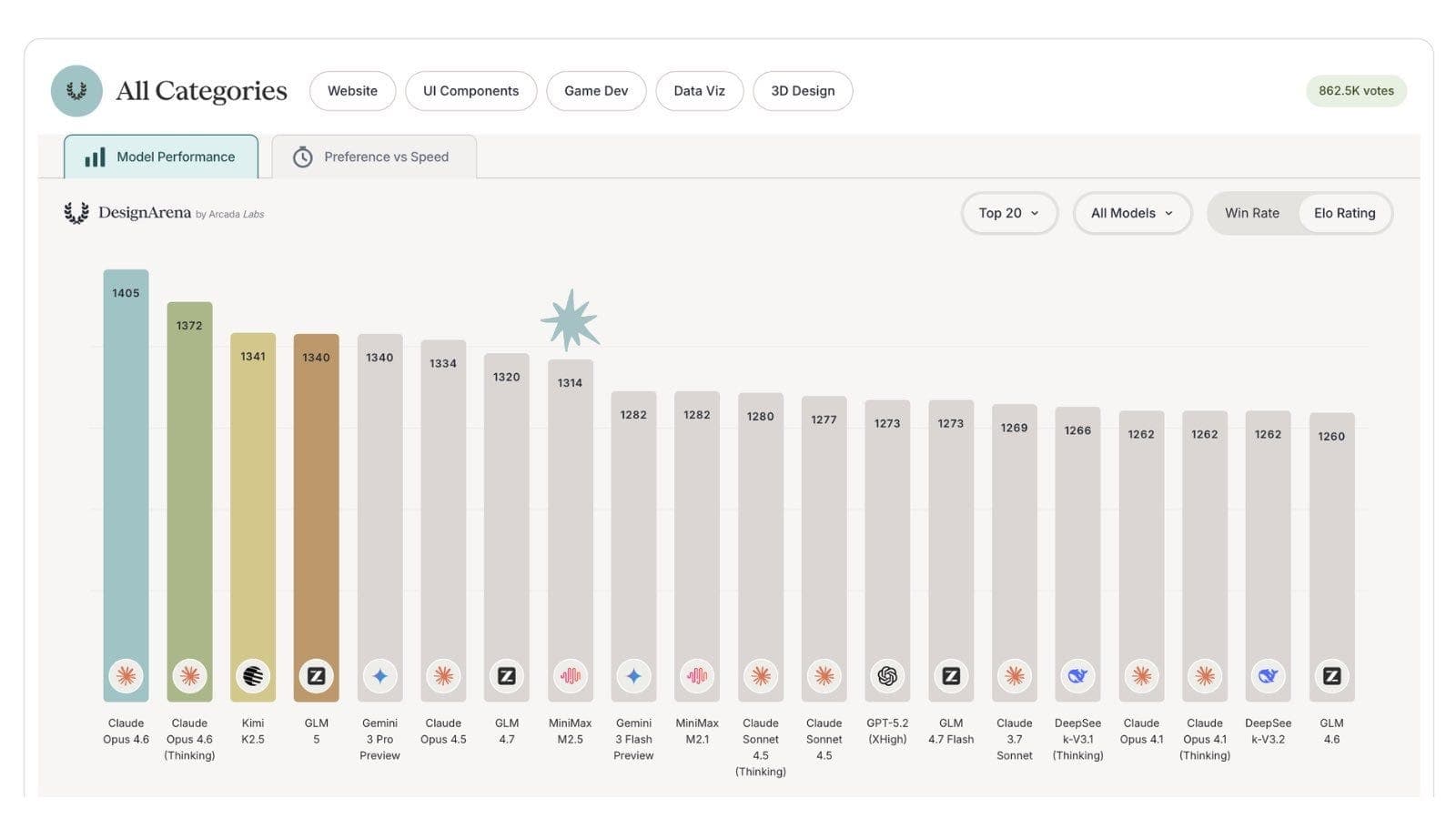
It also ranks 4th on DesignArena, a design-focused benchmark.
I’ll pull out the most decision-relevant details from the launch and the developer chatter, because this is where people get misled by benchmark charts and miss the operational story.
Six non-obvious takeaways
(1) “Open weights” can show up as “a new model option in your existing tools.”
GLM-5 is released with weights under the MIT License on Hugging Face and ModelScope, but it’s also offered via hosted APIs and positioned to work in existing coding agent workflows (including Claude Code and OpenClaw).
(2) It’s huge and it’s built to be served, not “run on your laptop.”
GLM-5 has 744B total parameters with 40B active (MoE), plus long-context optimization via DeepSeek Sparse Attention (DSA).
It still expects serious serving infrastructure.
(3) Tool use isn’t a side quest
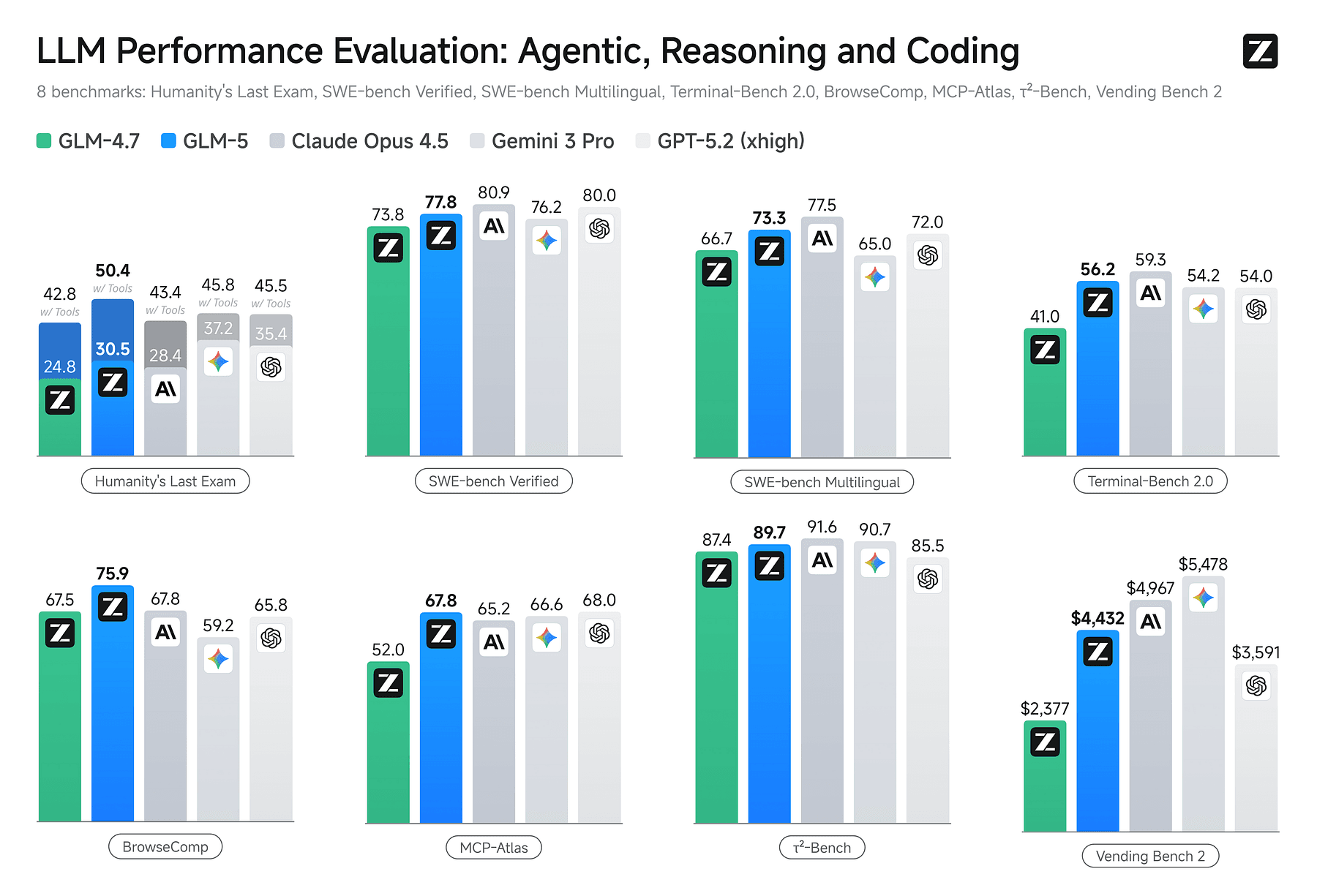
In the published benchmark table, GLM-5’s Humanity’s Last Exam score jumps meaningfully when “with tools” is enabled (and that pattern shows up across models).
If you’re building agents, you should read that as: your tools layer is part of your model choice.
(4) The training infrastructure (“slime”) changes the cadence of improvements.
They explicitly call out RL inefficiency at LLM scale, and “slime” as an asynchronous RL infrastructure to improve throughput and allow finer post-training iteration. That’s a signal about how fast the model family may evolve, and what kinds of agent behaviors they’re optimizing for.
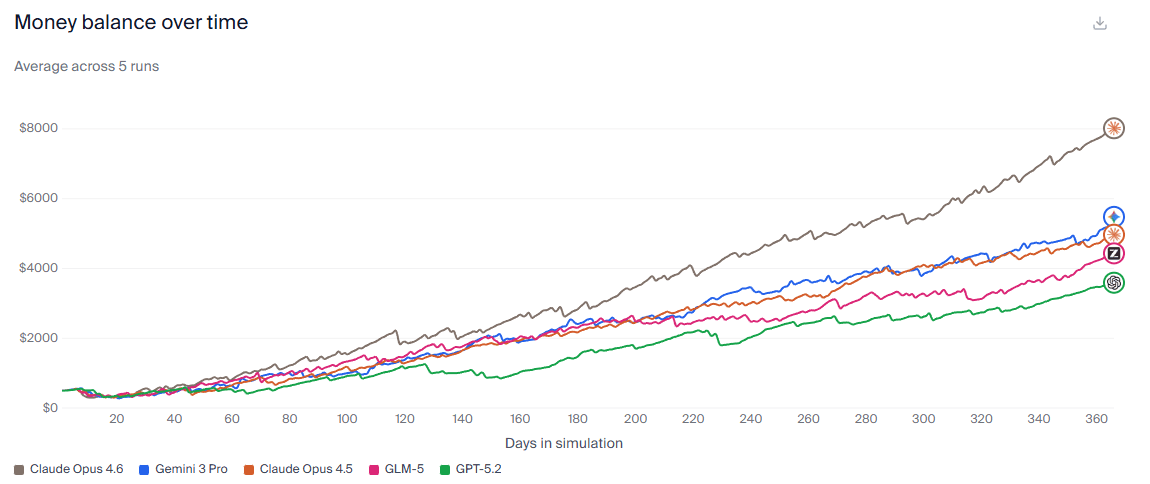
(5) Long-horizon agents are being benchmarked like businesses now.
Vending-Bench 2 is a one-year simulated vending machine business. GLM-5 lands near the top of the leaderboard among widely discussed models. If you ship agents that need to stay coherent over long trajectories, this genre of eval is closer to your reality than most “single-turn” tests.
(6) There are still “open model” pain patterns: coherence, stability, and multimodality gaps.
There are obviously expected occasional global coherence issues, higher variance (“half the time you get something weird”), and limitations like text-only input for GLM-5 (no native image understanding).
That doesn’t make the model bad but you need guardrails and fallbacks.
The main story isstack vs stack:
Model weights (control, licensing)
Serving layer (latency, cost, scaling)
Agent framework + tools (execution, safety, UX)
Evaluation harness (variance, reliability)
You can now mix these layers in ways that were awkward a year ago.
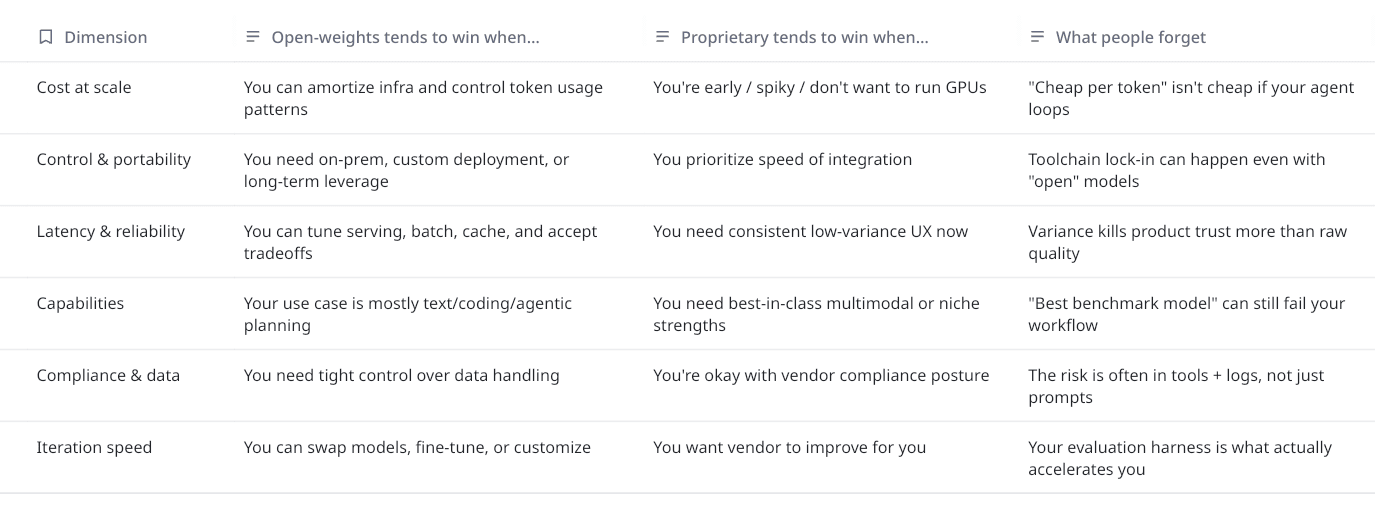
Open-weights vs proprietary
Let’s define terms quickly, because people talk past each other:
Open-weights: you can download model weights and run them (subject to hardware + tooling), and often host them yourself. Open here usually refers to weights availability and license, not necessarily training data or training recipe transparency.
Proprietary or closed-weight: you consume the model via an API or a hosted product; weights are not released.
How do you decide?
If you can answer these, you’re already ahead of most developers:
Is your workload interactive (humans waiting) or batchy (agents grinding)?
What’s your failure mode: wrong answer, unsafe action, or endless wandering?
Do you need native multimodality (images) or can tools cover it?
Will you run this in a coding agent (long contexts, tool calls), or plain chat?
How much variance can your UX tolerate?
What’s your switching cost if you regret the choice in 90 days?
Keep those answers visible while you read benchmark leaderboards.
What’s real, what’s risky, and when not to use it
GLM-5 bundles together a few themes that are worth understanding as patterns.
Sparse attention for long context (DSA)
DeepSeek Sparse Attention (DSA) is positioned as a way to reduce deployment cost while preserving long-context capacity. Mechanistically, sparse attention is about not paying full price for every token attending to every other token.
Asynchronous RL infrastructure (slime)
Reinforcement learning can bridge competence to excellence, but scaling RL for LLMs is inefficient. Their answer was slime, an asynchronous RL infrastructure to improve throughput and enable finer post-training iteration.
Models moving from chat to work
Foundation models are moving from “chat” to “work”, team is explicitly calling out end-to-end document generation, .docx, .pdf, .xlsx, as a first-class outcome.
Playbook for picking your model stack
This is the part I wish someone had handed me before I wasted weeks debating “best model” instead of building a harness.
Step 1: Choose your stack archetype, not your winner
Pick one of these intentionally:
Archetype A: Proprietary flagship as the default
Great when you need the strongest baseline, lowest variance, and a single throat to choke.
However costs climb quietly and you optimize late.
Archetype B: Open-weights as the workhorse + proprietary for edge cases
This is the pattern implied by the GLM-5. You can use an open-weights model where it’s “good enough” for long grinding work, and reserve premium models for high-stakes or multimodal tasks.
Archetype C: Multi-model routing based on task type and risk
Fast, powerful, and brittle unless you have routing logic + evals.
Worth it when you already operate at scale and model costs are material.
Step 2: Run a one-week eval that measures variance, not vibes
Here’s a lightweight plan:
Day 1–2: Build a task set from your own repo / tickets
20–50 tasks max.
Include boring tasks (refactors, test fixes) and “dangerous” tasks (auth, payments, migrations).
You can explicitly flag stability/variance as a differentiator you should test, not assume.
Day 5: Add a long-horizon test
Even one synthetic long-run task matters.
Can it maintain state, avoid thrashing, and converge?
Benchmarks like Vending-Bench 2 exist because this failure mode is real.
Step 3: Make switching cheap on purpose
If you do nothing else, do this:
Wrap model calls behind a single interface in your app.
Version your prompts.
Log tool traces.
Keep a rollback path that doesn’t require heroics.
Because today it’s “remove two env vars.” Tomorrow it’s “untangle three months of prompt-model co-adaptation.”
Where I land (slightly opinionated), and questions for you
My take is open-weights vs proprietary is no longer a purity debate.
It’s an engineering decision about where you want control and where you want leverage.
GLM-5 is a compelling example of the new middle ground:
Open weights under MIT on major model hubs.
Pushing long-horizon agent evaluation into “runs a business for a year” territory.
Explicit investment in RL infrastructure (slime) to tighten post-training iteration loops.
And maybe most importantly, showing up inside the tools developers already use, which changes adoption dynamics more than any single benchmark number.
But I’m not going to pretend the risks disappear:
If your UX can’t tolerate variance, you’ll still pay for a flagship.
If you need native vision in your core loop, text-only models force tool workarounds.
If you don’t invest in evals and rollback paths, you will get surprised in production.
Questions I’d genuinely love to hear your answers to
What’s your real bottleneck right now: model quality, tool reliability, or evaluation discipline?
If you’ve adopted open-weights in production, where did it break first: latency, variance, or ops burden?
For agentic workflows: do you optimize for best single model, or best stack (router + tools + fallback)?
What’s your “switching cost” today, could you roll back a model choice in under an hour?
If you reply with your use case (agent vs chat, text vs multimodal, interactive vs batch), I’ll tell you which archetype I’d pick and what I’d measure in week one.